The Ultimate Guide to Rodeo Events: History, Types, and What to Expect

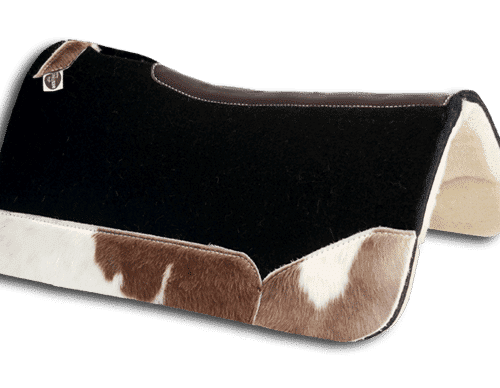
Shad Mayfield at Logandale Pro Rodeo riding a black wool fleesar pad

Introduction

Rodeo is a thrilling and action-packed sport that showcases the skill, courage, and athleticism of both cowboys and cowgirls. Rooted in the traditions of cattle ranching, rodeo has evolved into a competitive and highly popular event across the United States, Canada, and beyond. From bull riding to barrel racing, rodeo events offer a mix of excitement, tradition, and fierce competition.

Whether you’re a newcomer to rodeo or a longtime fan, this guide will break down the most popular rodeo events, their history, and what to expect when attending a rodeo.

The History of Rodeo

Rodeo has its origins in the daily work of cowboys and ranchers in the 18th and 19th centuries. Spanish vaqueros first introduced cattle-handling techniques to North America, which were later adopted by American cowboys. Over time, friendly competitions among ranch hands led to organized rodeo events, with the first official rodeo taking place in Prescott, Arizona, in 1888.

Today, rodeo is a professional sport governed by organizations such as the Professional Rodeo Cowboys Association (PRCA) and Women’s Professional Rodeo Association (WPRA). These associations set rules, manage events, and ensure the safety of both riders and animals.

Major Rodeo Events

Modern rodeos feature several key events, each testing different aspects of cowboy and cowgirl skills.

  1. Bareback Riding

Bareback riding is one of the most physically demanding rodeo events. Riders must stay on a bucking horse for eight seconds without the help of a saddle. Instead, they hold onto a rigging strap attached to the horse. Judges score riders based on control, technique, and the horse’s performance.

Challenges:

  • High risk of injury due to the rough ride
  • Requires immense core strength and balance
  1. Saddle Bronc Riding

Saddle bronc riding is considered the classic rodeo event, often referred to as the “ballet of rodeo.” Unlike bareback riding, competitors use a specialized saddle with a rein attached to the horse’s halter. The goal is to stay on for eight seconds while maintaining rhythm with the horse’s movements.

Scoring Factors:

  • Rider’s form and control
  • The horse’s bucking performance
  1. Bull Riding

Arguably the most famous and dangerous rodeo event, bull riding requires cowboys to stay atop a 1,500–2,000-pound bull for eight seconds using only one hand on a braided rope. The rider must avoid touching the bull or themselves with the free hand.

Why It’s So Popular:

  • Extreme adrenaline and unpredictability
  • High risk, high reward for professional riders
  1. Steer Wrestling (Bulldogging)

Steer wrestling involves a cowboy on horseback chasing down a steer, jumping off the horse, and wrestling the steer to the ground by grabbing its horns. This event requires strength, timing, and precise technique.

Fast Facts:

  • Steers typically weigh between 450–600 pounds
  • The world record for steer wrestling is under 3 seconds
  1. Team Roping

Team roping is the only event with two competitors working together. It involves a header and a heeler:

  • The header ropes the steer’s horns.
  • The heeler ropes the hind legs.

The fastest team with a clean catch wins. Team roping is a highly technical event requiring coordination, horsemanship, and roping skills.

  1. Tie-Down Roping (Calf Roping)

Tie-down roping tests a cowboy’s speed and accuracy with a rope. The rider chases a calf, ropes it, dismounts, and ties three of its legs together. The clock stops when the cowboy raises his hands.

Key Skills:

  • Quick reflexes and precision roping
  • Horsemanship and calf-handling skills
  1. Breakaway Roping (Women’s Event)

Breakaway roping is a variation of calf roping designed for female competitors. Instead of dismounting and tying the calf, the rider ropes it, and when the rope tightens, it snaps away from the saddle horn, stopping the clock. This event is known for speed and precision.

  1. Barrel Racing (Women’s Event)

One of the fastest and most exciting rodeo events, barrel racing involves a horse and rider navigating a cloverleaf pattern around three barrels at full speed. The rider with the fastest clean run (without knocking over barrels) wins.

What Makes It Unique:

  • Horse speed and agility are key factors
  • Riders must have perfect timing and precision

Rodeo Safety and Animal Welfare

Rodeo organizations have strict rules in place to protect both riders and animals. The PRCA and WPRA enforce guidelines for humane treatment, including:

✔ Protective gear for riders (helmets, vests, etc.)

✔ Veterinary inspections before and after events

✔ Limited use of spurs and equipment to avoid injury

While rodeo has faced criticism over animal treatment, professional events prioritize the safety and well-being of the livestock. Many rodeo horses and bulls are highly valued athletes that receive top-tier care.

What to Expect at a Rodeo

If you’re planning to attend a rodeo, here’s what you should know:

  1. Atmosphere & Entertainment
  • High-energy crowd and announcers
  • Rodeo clowns provide comedy and safety assistance
  • Live country music and Western-style food options
  1. What to Wear

✔ Cowboy boots for comfort and style

✔ Jeans or western-style pants

✔ A cowboy hat or baseball cap

✔ A light jacket if the event is outdoors at night

  1. Rodeo Etiquette
  • Cheer for all competitors
  • Respect livestock and safety rules
  • Stand for the national anthem (a tradition at most rodeos)

Famous Rodeos in the U.S.

If you want to see the best rodeos in the country, check out these top events:

✅ National Finals Rodeo (NFR) – The “Super Bowl” of rodeo, held annually in Las Vegas

✅ Cheyenne Frontier Days – The world’s largest outdoor rodeo in Wyoming

✅ Houston Livestock Show & Rodeo – One of the biggest rodeo festivals in Texas

✅ Calgary Stampede – Canada’s largest rodeo, often called “The Greatest Outdoor Show on Earth”

Conclusion

Rodeo is more than just a sport—it’s a celebration of Western heritage, hard work, and skilled horsemanship. Whether you enjoy the thrill of bull riding, the speed of barrel racing, or the teamwork of roping events, rodeo offers excitement for everyone.

If you’re looking for an action-packed experience, attending a rodeo is a must. So grab your boots, embrace the cowboy spirit, and enjoy the wild world of rodeo!

CLICK HERE TO SEE WHAT OUR PRO RIDERS ARE RIDING!


  • $17.00
  • Best Ever Team Patches

    $3.00
  • Earn 26.00 Reward Points
    $260.00

  • Price range: $28.00 through $55.00

  • $4.00

  • $3.00

  • Price range: $30.00 through $45.00

  • $20.00

  • $20.00

  • Price range: $2.00 through $22.00
  • Earn 1.00 Reward Points
    $10.00


  • Original price was: $140.00.Current price is: $112.50.
  • Earn 2.00 Reward Points
    $20.00

  • $20.00
Shad Mayfield at Logandale Pro Rodeo riding a black wool fleesar pad

Introduction

Rodeo is a thrilling and action-packed sport that showcases the skill, courage, and athleticism of both cowboys and cowgirls. Rooted in the traditions of cattle ranching, rodeo has evolved into a competitive and highly popular event across the United States, Canada, and beyond. From bull riding to barrel racing, rodeo events offer a mix of excitement, tradition, and fierce competition.

Whether you’re a newcomer to rodeo or a longtime fan, this guide will break down the most popular rodeo events, their history, and what to expect when attending a rodeo.

The History of Rodeo

Rodeo has its origins in the daily work of cowboys and ranchers in the 18th and 19th centuries. Spanish vaqueros first introduced cattle-handling techniques to North America, which were later adopted by American cowboys. Over time, friendly competitions among ranch hands led to organized rodeo events, with the first official rodeo taking place in Prescott, Arizona, in 1888.

Today, rodeo is a professional sport governed by organizations such as the Professional Rodeo Cowboys Association (PRCA) and Women’s Professional Rodeo Association (WPRA). These associations set rules, manage events, and ensure the safety of both riders and animals.

Major Rodeo Events

Modern rodeos feature several key events, each testing different aspects of cowboy and cowgirl skills.

  1. Bareback Riding

Bareback riding is one of the most physically demanding rodeo events. Riders must stay on a bucking horse for eight seconds without the help of a saddle. Instead, they hold onto a rigging strap attached to the horse. Judges score riders based on control, technique, and the horse’s performance.

Challenges:

  • High risk of injury due to the rough ride
  • Requires immense core strength and balance
  1. Saddle Bronc Riding

Saddle bronc riding is considered the classic rodeo event, often referred to as the “ballet of rodeo.” Unlike bareback riding, competitors use a specialized saddle with a rein attached to the horse’s halter. The goal is to stay on for eight seconds while maintaining rhythm with the horse’s movements.

Scoring Factors:

  • Rider’s form and control
  • The horse’s bucking performance
  1. Bull Riding

Arguably the most famous and dangerous rodeo event, bull riding requires cowboys to stay atop a 1,500–2,000-pound bull for eight seconds using only one hand on a braided rope. The rider must avoid touching the bull or themselves with the free hand.

Why It’s So Popular:

  • Extreme adrenaline and unpredictability
  • High risk, high reward for professional riders
  1. Steer Wrestling (Bulldogging)

Steer wrestling involves a cowboy on horseback chasing down a steer, jumping off the horse, and wrestling the steer to the ground by grabbing its horns. This event requires strength, timing, and precise technique.

Fast Facts:

  • Steers typically weigh between 450–600 pounds
  • The world record for steer wrestling is under 3 seconds
  1. Team Roping

Team roping is the only event with two competitors working together. It involves a header and a heeler:

  • The header ropes the steer’s horns.
  • The heeler ropes the hind legs.

The fastest team with a clean catch wins. Team roping is a highly technical event requiring coordination, horsemanship, and roping skills.

  1. Tie-Down Roping (Calf Roping)

Tie-down roping tests a cowboy’s speed and accuracy with a rope. The rider chases a calf, ropes it, dismounts, and ties three of its legs together. The clock stops when the cowboy raises his hands.

Key Skills:

  • Quick reflexes and precision roping
  • Horsemanship and calf-handling skills
  1. Breakaway Roping (Women’s Event)

Breakaway roping is a variation of calf roping designed for female competitors. Instead of dismounting and tying the calf, the rider ropes it, and when the rope tightens, it snaps away from the saddle horn, stopping the clock. This event is known for speed and precision.

  1. Barrel Racing (Women’s Event)

One of the fastest and most exciting rodeo events, barrel racing involves a horse and rider navigating a cloverleaf pattern around three barrels at full speed. The rider with the fastest clean run (without knocking over barrels) wins.

What Makes It Unique:

  • Horse speed and agility are key factors
  • Riders must have perfect timing and precision

Rodeo Safety and Animal Welfare

Rodeo organizations have strict rules in place to protect both riders and animals. The PRCA and WPRA enforce guidelines for humane treatment, including:

✔ Protective gear for riders (helmets, vests, etc.)

✔ Veterinary inspections before and after events

✔ Limited use of spurs and equipment to avoid injury

While rodeo has faced criticism over animal treatment, professional events prioritize the safety and well-being of the livestock. Many rodeo horses and bulls are highly valued athletes that receive top-tier care.

What to Expect at a Rodeo

If you’re planning to attend a rodeo, here’s what you should know:

  1. Atmosphere & Entertainment
  • High-energy crowd and announcers
  • Rodeo clowns provide comedy and safety assistance
  • Live country music and Western-style food options
  1. What to Wear

✔ Cowboy boots for comfort and style

✔ Jeans or western-style pants

✔ A cowboy hat or baseball cap

✔ A light jacket if the event is outdoors at night

  1. Rodeo Etiquette
  • Cheer for all competitors
  • Respect livestock and safety rules
  • Stand for the national anthem (a tradition at most rodeos)

Famous Rodeos in the U.S.

If you want to see the best rodeos in the country, check out these top events:

✅ National Finals Rodeo (NFR) – The “Super Bowl” of rodeo, held annually in Las Vegas

✅ Cheyenne Frontier Days – The world’s largest outdoor rodeo in Wyoming

✅ Houston Livestock Show & Rodeo – One of the biggest rodeo festivals in Texas

✅ Calgary Stampede – Canada’s largest rodeo, often called “The Greatest Outdoor Show on Earth”

Conclusion

Rodeo is more than just a sport—it’s a celebration of Western heritage, hard work, and skilled horsemanship. Whether you enjoy the thrill of bull riding, the speed of barrel racing, or the teamwork of roping events, rodeo offers excitement for everyone.

If you’re looking for an action-packed experience, attending a rodeo is a must. So grab your boots, embrace the cowboy spirit, and enjoy the wild world of rodeo!

CLICK HERE TO SEE WHAT OUR PRO RIDERS ARE RIDING!

  • $17.00
  • Best Ever Team Patches

    $3.00
  • Earn 26.00 Reward Points
    $260.00

  • Price range: $28.00 through $55.00

  • $4.00

  • $3.00

  • Price range: $30.00 through $45.00

  • $20.00

  • $20.00

  • Price range: $2.00 through $22.00
  • Earn 1.00 Reward Points
    $10.00


  • Original price was: $140.00.Current price is: $112.50.
  • Earn 2.00 Reward Points
    $20.00

  • $20.00